When a new tenant takes a premises, attention naturally goes to the new logo. The building may still carry an older sign, unused fixings or a visible outline from a previous identity. Those conditions affect the finished facade even if the new artwork is excellent. A documented survey and a clear handoff between removal, wall work and installation help the project address the whole frontage.
Record the existing condition before approving a cover-up
Photograph the current sign from the front, from an angle and in the context of the complete wall. Include areas around the lettering or panel where color, finish or attachments differ. Gather any available information about the existing sign, while marking details that still need confirmation.
For a building sign rebrand in Gaffney, the first drawing should not assume that new letters will conceal every trace of the old ones. A new name may have different proportions and mounting points. Design around a reviewed facade rather than an unverified expectation of what lies beneath.
Distinguish what can be seen from what must be assessed
Photographs can record the current appearance, but they cannot establish every concealed condition or confirm the suitability of retained components. Ask the project team which items require an on-site review and whether some questions can only be answered during removal. Make those uncertainties visible in the scope.
This article is about coordinating that handoff, not deciding whether an old sign is reusable. Our refresh-or-replace guide covers the broader decision. Once a tenant rebrand involves removal, the wall and the work sequence deserve their own plan.
Name who is responsible for each stage
A sign company, property manager and painting or building contractor may each be involved. Avoid leaving the phrase “make good” undefined. Agree who removes the old identity, who assesses the exposed surface, who completes any agreed wall work and who confirms readiness for the new installation.
Write down the visible outcome being requested. Is the intention to refinish the whole sign area, blend a smaller area or follow another approved approach? The responsible trade should explain what is feasible for the surface. The graphic layout should not silently carry responsibility for hiding an unresolved wall condition.
Coordinate approval with the removal sequence
Some design decisions can be made from the existing facade record; others may need confirmation once the old sign is gone. Identify those dependencies before locking in production. A plan that depends on exact retained fixings or a concealed mounting arrangement needs the appropriate verification.
Collect property sign criteria and any required approvals early. Include access restrictions, neighboring occupancies and the business’s transition schedule. If the premises remains in use, discuss how the current identity and entrance information will be managed between removal and installation.
Use a facade handoff checklist
A short checklist can keep the parties aligned without turning the sign brief into a construction manual:
- Existing sign and surrounding facade photographed and identified.
- Items requiring site assessment clearly listed.
- Removal, disposal and surface-work responsibilities agreed.
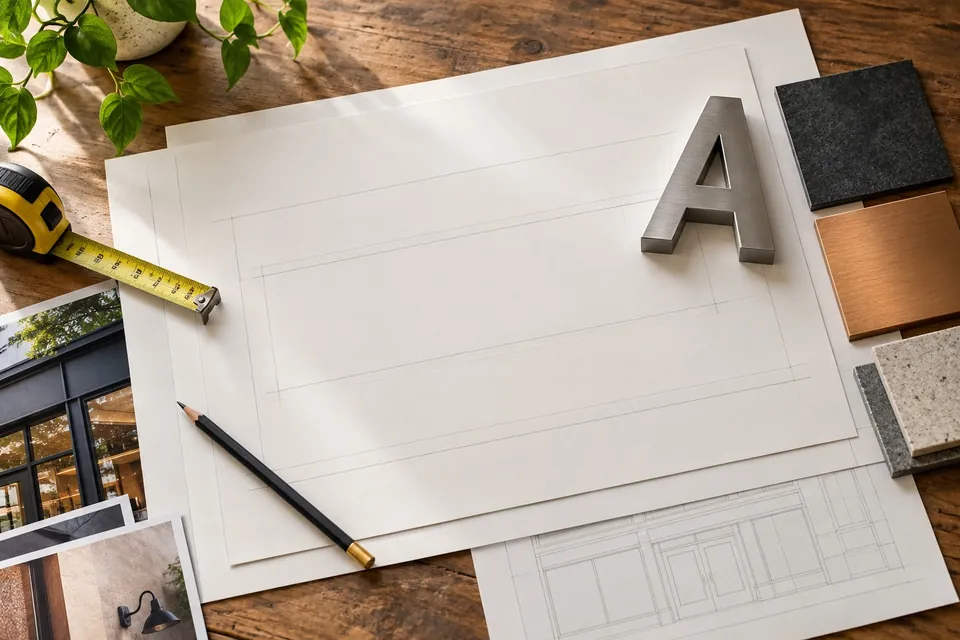
- Proposed new sign shown against the intended finished wall.
- Readiness confirmation and installation access coordinated.
- Temporary identity or entrance messages assigned where needed.
Review the list with the people actually performing each stage. Keep the approved artwork and scope together so a late logo adjustment does not disconnect the sign design from the agreed facade treatment.
Judge the finished frontage as one composition
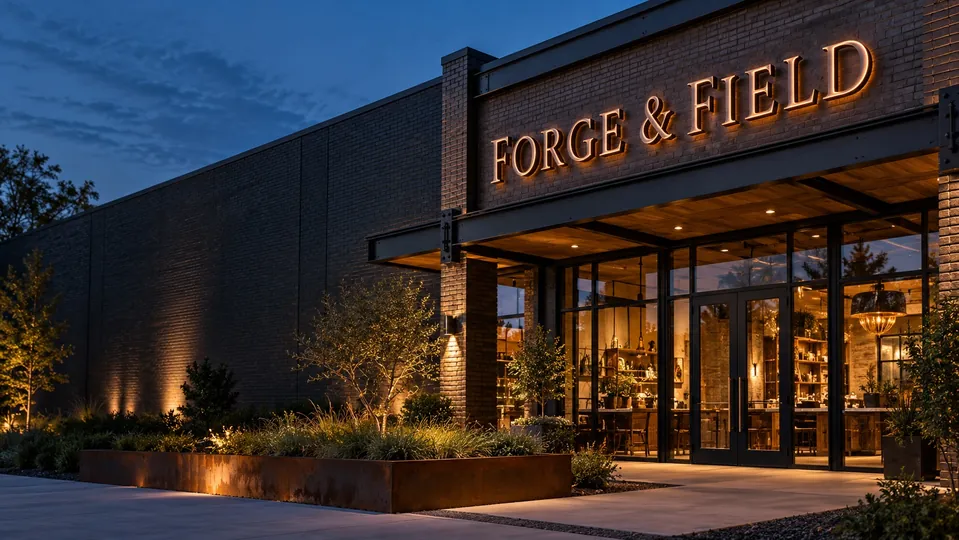
At the final review, look beyond the new letters. Check the agreed wall finish, visible redundant hardware and the relationship between the new sign and other entrance graphics. A rebrand should read as a considered identity for the current tenant, not a new logo floating over a collection of unresolved earlier ones.
Our sign project checklist helps gather the initial photographs and approval details. Start a tenant rebrand quote with the old sign record, the new artwork and the proposed removal responsibilities. That gives the team a shared basis for discussing the finished facade before fabrication begins.