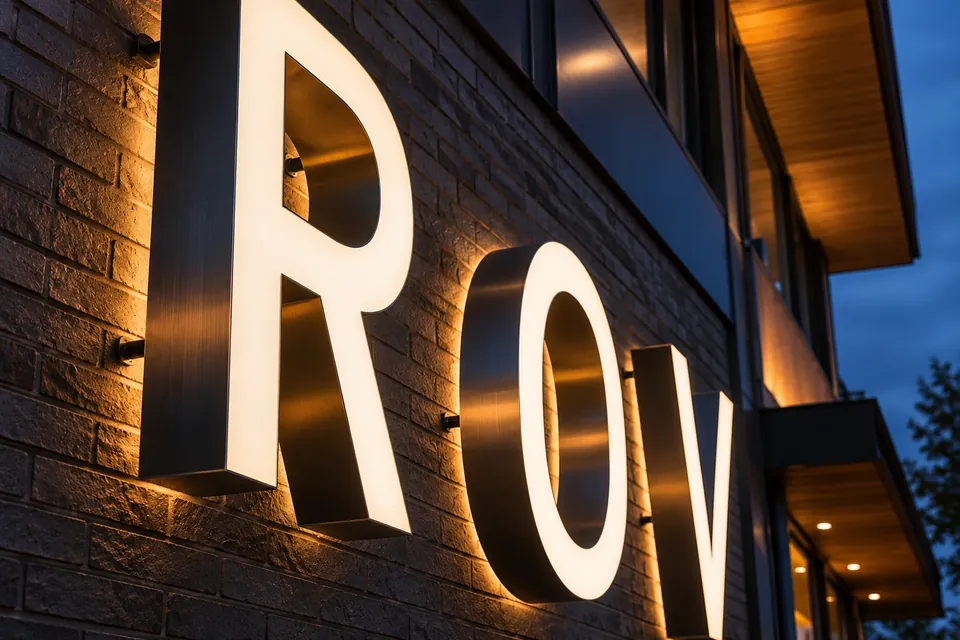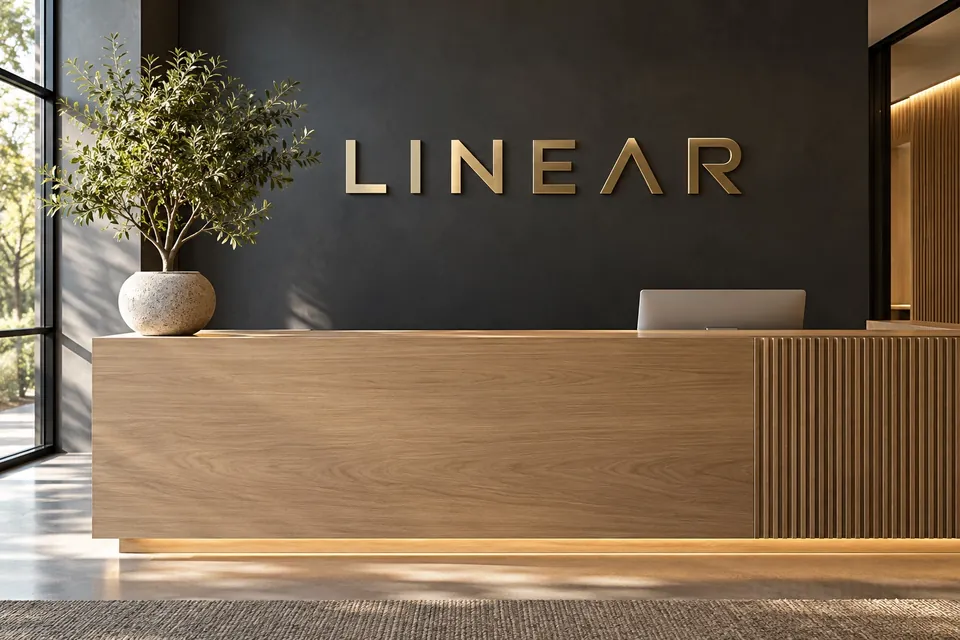
A hotel guest may have an address, a booking confirmation and a recognizable brand, yet still hesitate after entering the property. Parking, the main door and reception are not always visible in one view. Instead of treating exterior identity and lobby signs as separate purchases, review the small decisions between them. That is where an attractive frontage can become a more understandable arrival.
Follow the guest who has never stayed before
Start with the approved guest arrival arrangement and walk it from a suitable observation point. Note the first place a newcomer needs confirmation, the entrance they should use and the point where reception becomes visible. Do not assume that seeing a building logo means someone can identify the correct door.
For a hotel sign project in Boiling Springs, photographs of those decision points can be more helpful than a close-up of the existing logo. Include views with parked vehicles and normal entrance furniture in place so the discussion reflects everyday use.
Let each sign answer one stage of the arrival
The main property identity should establish the destination. A supporting entrance message can confirm the lobby or reception door. Once inside, the guest should recognize where to check in without sorting through competing promotional displays. Those messages can share colors and typography while remaining different in scale and detail.
A monument sign and a lobby logo do not need identical layouts. The exterior sign may need a simpler identity; the interior display can carry more material detail because it is viewed at close range. Ask for artwork in context, showing the surrounding architecture rather than isolated against a blank background.
Separate guest identity from changing hotel information
Check-in instructions, event titles and temporary entrance changes have shorter lives than the hotel name. Give those updates a deliberate home. A removable information panel or coordinated display can keep temporary messages readable without covering permanent signs or adding inconsistent notices to the glass.
A useful message inventory separates:
- Permanent hotel and reception identity.
- Directions needed to complete an ordinary guest arrival.
- Information for people attending meetings or events.
- Temporary operational messages with a named owner and removal date.
That inventory also reveals what does not belong on the main welcome sign. A guest looking for reception should not have to read a complete list of hotel services first.
Review the lobby from several natural positions
Stand at the entrance, the likely waiting point and the reception desk. Check whether signs are hidden by open doors, decorative planting, luggage storage or a freestanding promotional display. Look at the relationship between the logo wall, the counter and any directions onward through the property.
Interior sign planning can coordinate reception identity with room or facility destinations where those are part of the project. Brand requirements and any applicable building requirements should be collected before artwork is approved. A visual welcome element is only one part of the full property sign system.
Brief installation around the operating hotel
List the areas that must remain available to guests, the busiest reception periods and any building work happening at the same time. Ask the sign team to discuss access and sequencing with the hotel contact before promising a completion date. Include removal and surface finishing if an older lobby identity is coming down.
For an initial hotel sign quote, provide exterior arrival photos, lobby views, approved brand artwork and the message inventory. Add the point where guests currently ask for directions. That gives the proposal a concrete job: helping the arrival feel continuous from the property entrance to the welcome at reception.