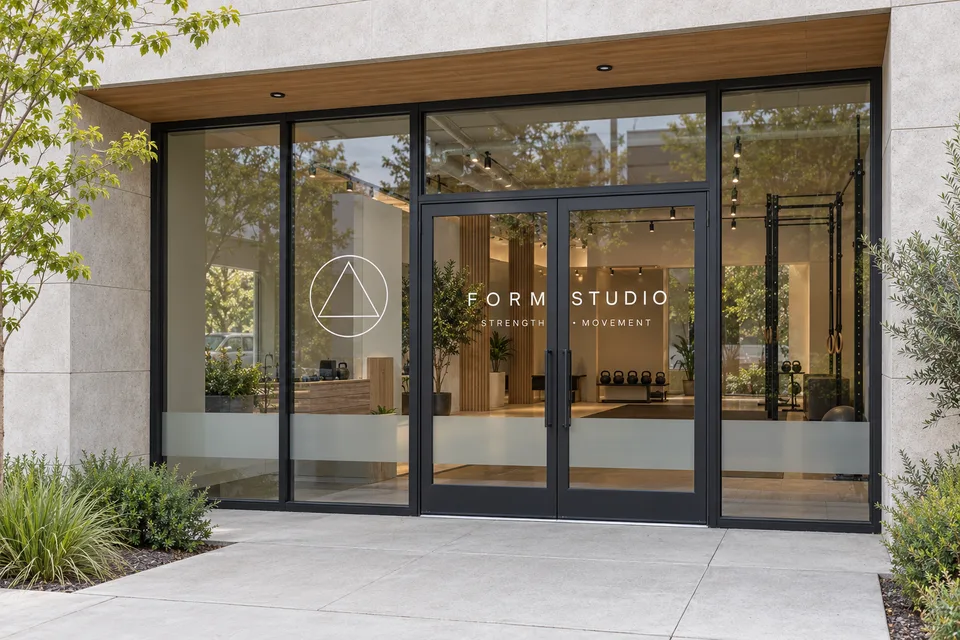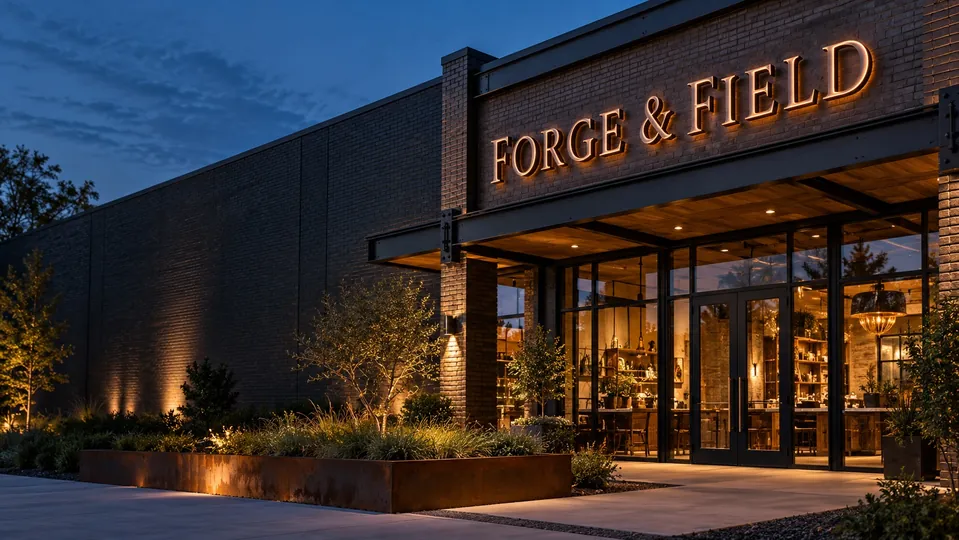
An event venue has a lasting identity, but its guests may be looking for a wedding, a company gathering or a public performance with a different name. If the invitation and the entrance seem unrelated, guests can arrive at the correct property and still hesitate. A coordinated signage plan connects the venue name, the event identity and the approved guest destination without making every event a permanent alteration.
Read the invitation before choosing the welcome sign
Collect the wording guests receive: venue name, event title, entrance information and any arrival instructions. Confirm which details are final. The first useful sign should agree with that wording so guests do not need to translate an internal room name or an abbreviated event title.
For event venue signs in Woodruff, this comparison can be completed before selecting a display style. A beautifully lettered welcome is less useful if it directs people toward a different entrance from the booking confirmation.
Build three layers of information
Start with the venue’s permanent identity. Add a controlled place for the event name, then plan only the supporting messages needed for that event’s approved arrangement. These layers can share a visual relationship without forcing a client’s temporary branding onto the venue’s permanent sign.
- Venue: confirms the property and its lasting name.
- Event: reassures guests that the gathering they expect is here.
- Destination: identifies the approved entrance, check-in or room when that is not already clear.
Write the layers as a short message list before drawing them. If two signs answer the same question while a key transition has no information, the list will expose that imbalance.
Choose reusable formats with a defined update area
A venue hosting different clients may benefit from a consistent display framework with replaceable graphics. Discuss the expected frequency of change, storage, cleaning and who will install each update. The right system depends on the surfaces and the way the venue operates; a temporary label should not be assumed suitable for every finish.
Vinyl graphics may be useful for selected surfaces after suitability is reviewed. Interior signs can provide the lasting room identity while an independent event panel carries the current name. Separating those jobs can make the reset between bookings more straightforward.
Agree where temporary branding is allowed
Provide the event organizer with the actual display areas, dimensions and approval process. Include photographs so artwork is not designed around an imagined wall or entrance. State which signs must remain visible and which surfaces are outside the temporary branding scope, using the venue’s own approved rules.
If a client wants several pieces, review them together. A welcome board, check-in graphic and room backdrop should use the same event title and date. Assign one person to approve that information so different suppliers do not work from conflicting versions.
Include the reset in the project plan
Temporary signage has a beginning and an end. Record who places it, who confirms the location and who removes it after the event. Check the next booking before leaving a dated message in place. Store reusable pieces so they are available and in suitable condition when needed again.
- Final event wording and approved brand artwork.
- Confirmed public entrance and event destinations.
- Photographs and dimensions of permitted display areas.
- Installation, removal and storage responsibilities.
Bring these details to a venue signage quote request. The proposal can then support a repeatable guest arrival, with enough flexibility for each event to feel individual. That is a more useful starting point than ordering several disconnected welcome signs and deciding where they belong on the day.